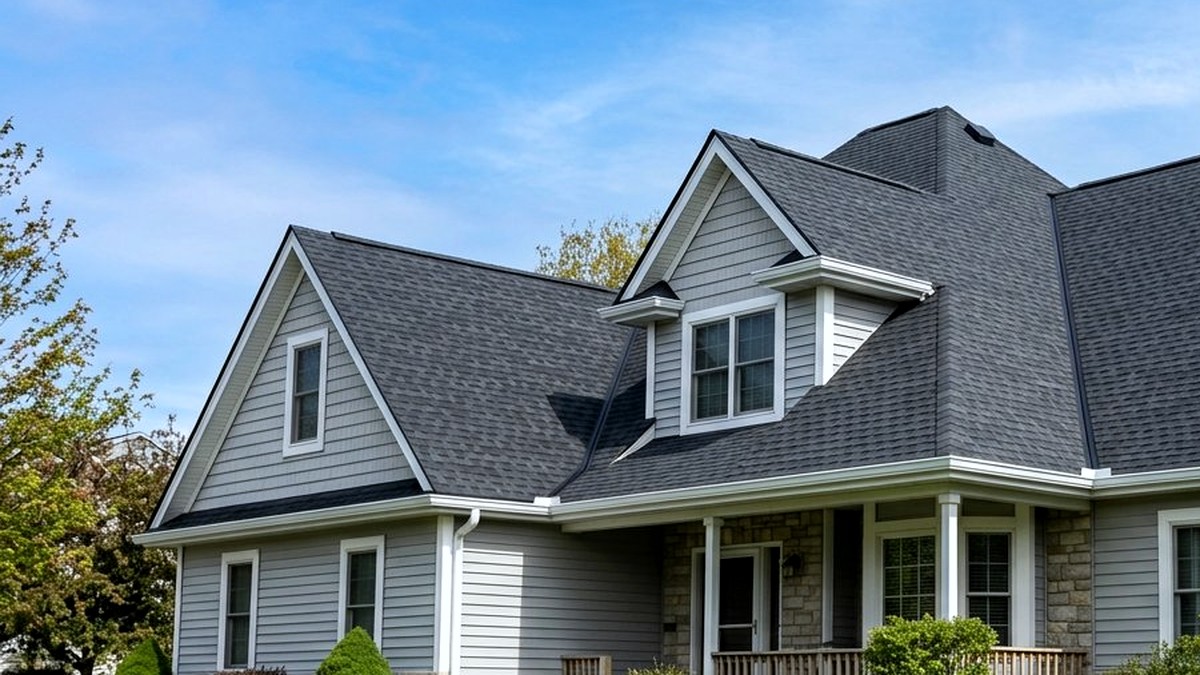
Roofing and solar are usually treated as unrelated projects, bought from separate companies and scheduled months apart. That is almost always a mistake. Both systems share the same surface, the same structure and the same weather, and the decisions made for one directly affect the performance of the other.
When we plan these upgrades together, homeowners get a better-looking result, fewer surprises and a system that lasts longer.
Order of work: roof first, always
If your roof is anywhere near the end of its working life, replace it before the panels go up. Mounting and then removing a solar array to re-roof underneath it means paying twice for the same labour and risking damage to components that were fine before the work started.
- Roof in good condition: inspect, repair locally, then install solar on the sound surface.
- Roof nearing replacement: plan both together as a single project with one scaffold, one crew visit and one tidy-up.
- Roof in poor condition: full roof replacement first, with the solar layout designed in advance so mounting points are prepared correctly.
What we check before quoting either job
Roof work and solar both come down to the condition of the structure beneath them. Our assessment covers the same questions every time.
The roof surface and ageing
Shingle or tile condition, flashing details, valleys, chimney surrounds and the state of the underlayment. Small failures here are what cause the expensive problems later.
Ventilation and insulation
A roof that cannot breathe traps heat and moisture, which shortens the life of both the shingles and the electrical components mounted on them. We plan ventilation alongside insulation rather than treating them as separate items.
Orientation, pitch and shading
Not every roof face performs equally. Trees, neighbouring buildings, dormers and chimneys all cast shade that changes how much a panel array will realistically produce — an honest shading assessment is more valuable than an optimistic estimate.
Designing an array that suits the house
Solar design is as much about appearance as output. Panels set back from the ridge line, aligned to the symmetry of the facade and arranged in clean rectangles look deliberate. Panels scattered wherever they fit look like an afterthought — and can affect how buyers see the property.
- Group panels into tidy rectangles rather than filling odd leftover spaces
- Keep symmetrical clearance from ridges, hips and edges
- Plan conduit runs and inverter placement internally where possible
- Leave room for future expansion if a battery may be added later
Maintenance that protects both investments
Once installed, a combined roof and solar system needs very little attention — but it does need some. We recommend an inspection after the first storm season, then a routine check on the same schedule as the roof itself: gutters cleared, mountings checked, seals inspected and any shading from garden growth trimmed back.
Keeping a simple record of inspections, along with the warranty documents for both the roofing materials and the solar components, makes any future repair or property sale far simpler.
Staging the project over time
If budget is the deciding factor, the work can be split sensibly: roof repairs and ventilation now, insulation next season, solar after that. What matters is that the plan is written down from the beginning so each stage supports the next instead of undoing it.