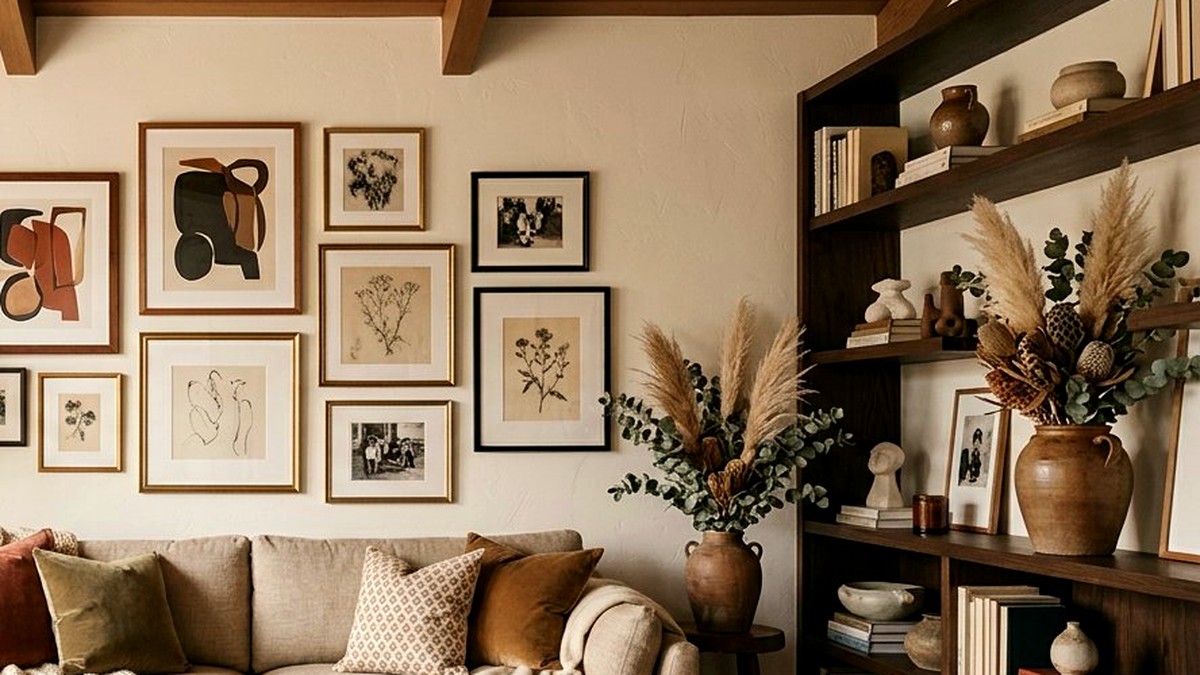
Decorating is often framed as a spending exercise: buy more, replace more, follow the newest look. In practice, the homes that feel genuinely well designed are the ones where the money went to the right places — and the rest of the room was left calm, uncluttered and easy to live in.
Over the years spent styling rooms for real families, we have settled into a fairly simple way of thinking about a decor budget. Here is how we split it, and why.
Start with the elements you touch every day
The parts of a room you interact with most — the sofa, the handles on the doors, the flooring underfoot — take all the wear. These are worth investing in, because a cheap item that needs replacing in three years costs more than a good one that lasts a decade.
- Sofas and seating: prioritise frame construction and fabric durability over novelty shapes.
- Floor coverings: a wool rug or a properly laid hard floor changes how an entire room feels.
- Lighting: decent lamps and warm bulbs are the fastest way to make a space feel intentional.
- Window treatments: good curtains or blinds insulate as well as decorate.
Where saving is genuinely smart
There is no need to spend heavily on things that are purely decorative, easy to swap later, or that you will want to change as your taste evolves.
- Accent cushions, throws and small decorative objects
- Gallery frames and printed artwork
- Side tables, stools and occasional pieces
- Baskets, vases and seasonal accessories
The touches that finish a room
Once the large pieces are in place, most rooms still look slightly unfinished. A few thoughtful touches almost always resolve it.
Make the lighting layering work
A single ceiling light in the centre of a room flattens everything. Add a lamp in the reading corner, a smaller lamp on a side table and a soft strip behind a shelf, and the room gains depth the moment the sun goes down.
Repeat your colours on purpose
Choose a small palette and repeat each colour deliberately across the space. A terracotta cushion picks up the terracotta pot; the brass lamp echoes the brass handles. That repetition is what makes a room feel designed rather than assembled.
Leave negative space alone
An empty stretch of wall, a clear surface on a console, a bare patch of floor beside the sofa — these gaps are doing real work. Resist the urge to fill every surface and the room will feel larger and calmer.
Do the small repairs first
Before buying anything new, walk the room and note what is broken or tired: a scuffed skirting board, a door that will not close properly, a socket without a cover, a curtain rail that sags. These fixes cost very little and make everything around them look better. It is the least glamorous recommendation in this article, and the one that delivers the most immediate improvement.
When to bring in a designer
If you are changing a layout, opening up a space, or decorating several rooms at once, professional planning pays for itself by preventing expensive mistakes — wrong-sized furniture, badly placed lighting circuits, paint colours that fight each other once the whole room is finished.
For a single-room refresh, our advice is simpler: pick your palette carefully, invest in the pieces you touch, and spend on the repairs nobody notices but everybody feels.