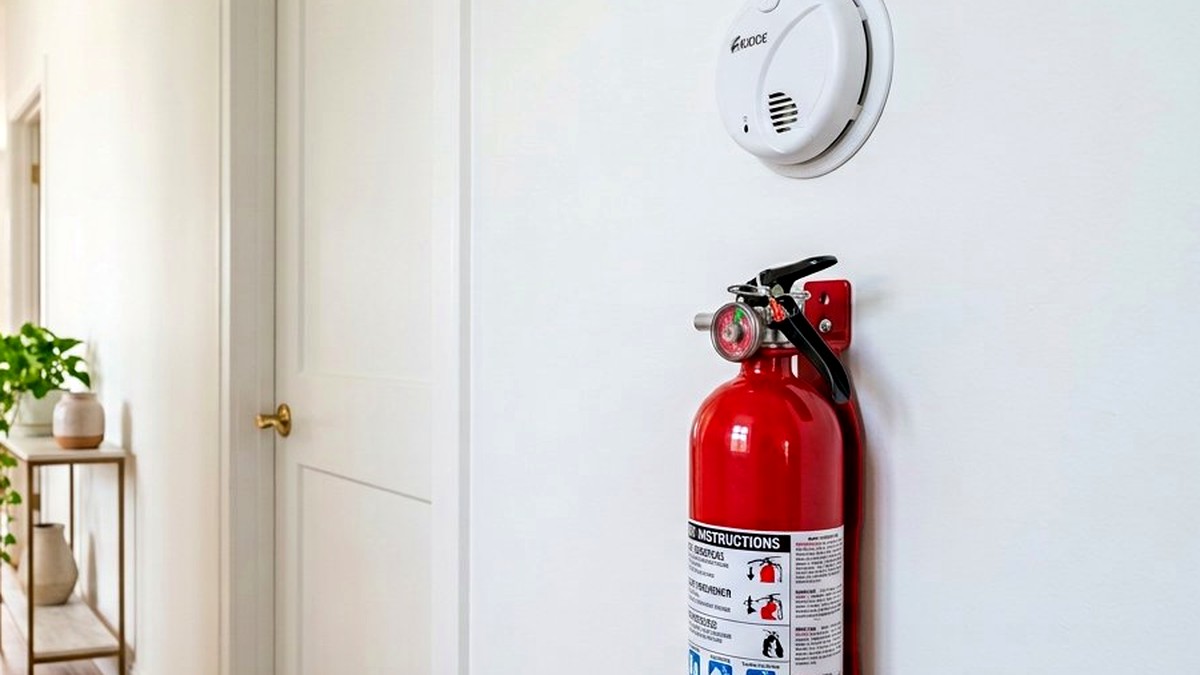
Most home safety work is not expensive. It is simply forgotten. Alarms get fitted during a renovation and never tested again, a lock is left unrepaired because everyone uses the back door anyway, and an extinguisher sits in a cupboard behind the coats.
This checklist is the one we use on our own site visits. Work through it room by room, note what needs attention, and deal with the items in order of how much risk they remove.
Start with the whole-home essentials
- Smoke alarms: fitted on every level of the home, tested monthly, and replaced according to the manufacturer's guidance rather than waiting until they fail.
- Interlinking: when one alarm sounds, all of them should sound — especially important in larger or multi-storey homes.
- Carbon monoxide alarms: fitted near sleeping areas and any fuel-burning appliance.
- Escape plan: every household member should know how to leave their bedroom safely even if the usual route is blocked, and where to meet outside.
- Exterior lighting: motion-activated lighting at entries discourages opportunistic break-ins far more effectively than a single porch light left on all night.
Kitchen
- Heat alarm rather than a smoke alarm near cooking appliances, to reduce nuisance triggers.
- Fire blanket within reach of the hob, and a suitable extinguisher mounted nearby — not tucked into a cupboard.
- Clear space around the hob, and no cloths or packaging stored close to heat sources.
- Appliances unplugged when not in use, particularly those on worktops.
Living areas
- Fireplaces and wood burners serviced and chimneys swept on schedule.
- Space heaters kept well clear of curtains, sofas and rugs.
- Cables and extension leads checked for damage and not run under carpets.
- Windows that open easily for ventilation and as a secondary escape route.
Bedrooms
- Alarms fitted inside or immediately outside each sleeping area.
- Phones and laptops charged on hard surfaces, never under pillows or on bedding.
- Portable heaters kept at a safe distance from beds and textiles.
- A torch or phone light within reach of each bed in case of a power cut.
Bathrooms, utility rooms and garages
- Ventilation working properly to control moisture and reduce the risk of electrical problems.
- Dryer filters and vents cleaned regularly — lint build-up is a common cause of household fires.
- Flammable liquids and paints stored away from heat sources in sealed containers.
- Garage doors, side doors and outbuildings secured with good-quality locks, and checked as part of your evening routine.
Entry points and smart security
Most break-ins are opportunistic. Visible deterrents and well-maintained locks do more than an elaborate system that nobody monitors.
- Deadbolts on external doors, with keys stored safely rather than left in the lock.
- Video doorbell or camera covering the front approach, positioned to respect neighbours' privacy.
- Window locks on ground-floor and accessible windows.
- Timers or smart schedules for interior lights when the house is empty.
- Smart locks and app alerts set up with a reliable backup plan — spare key held by someone you trust, not hidden outside.
The habits that keep everything working
Equipment drifts out of condition quietly, so a short routine matters more than any single purchase. We suggest a monthly test of alarms, a seasonal check of batteries and extinguisher gauges, a biannual walk-through of locks and outdoor lighting, and an annual review of the escape plan with the whole household, including children.
If you would rather have it done properly and documented, our security and fire safety teams can survey your home, install what is missing, test what you already have, and leave you with a written record for future reference.